
Retaining Wall Repair in Carmel Valley, CA
Reliable Retaining Wall Repair in Carmel Valley, CA — Fixing Leaning, Cracked, and Failing Walls
What Is Retaining Wall Repair?
Retaining wall repair is the process of diagnosing why an existing wall is failing and correcting the structural or drainage issue causing it. This can range from sealing a crack to a full section rebuild, depending on severity.
The process typically starts with an inspection to identify the cause: drainage failure, soil pressure beyond the wall’s design, a compromised base, or material deterioration over time.
Homeowners usually need repair when they notice cracking, leaning, bulging, visible gaps between blocks or stones, soil erosion at the wall’s base, or water pooling near the wall after rain.
The main benefit of timely repair is preventing a smaller, more affordable fix from turning into a full wall replacement. Repair also protects the slope, landscaping, and any structures located above or below the wall.
Important considerations include correctly identifying the root cause rather than just patching visible symptoms, and evaluating whether the existing wall design was adequate for the soil and slope conditions in the first place.
In some cases, a wall that has failed structurally, rather than cosmetically, will need a partial or complete rebuild instead of a surface-level repair. An honest assessment upfront prevents wasted money on a repair that won’t hold.
Retaining Wall Repair Services We Provide
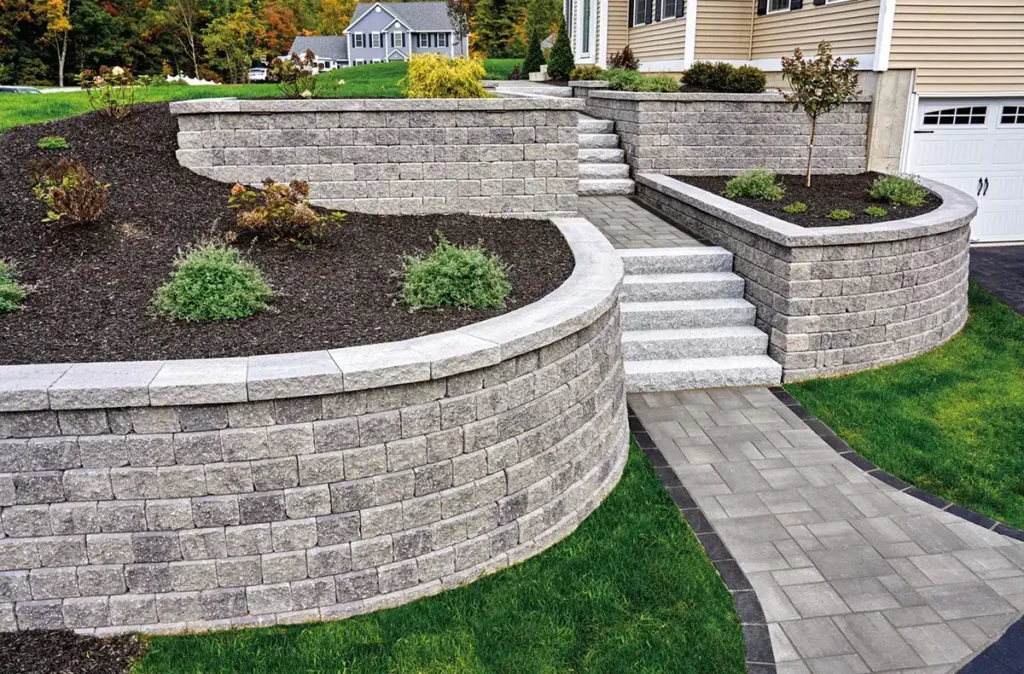
Retaining Wall Crack Repair
Cracks in concrete, block, or mortared stone walls are sealed and structurally reinforced to prevent water infiltration and further widening. Hairline cracks under about 1/8 inch are typically monitored or sealed, while cracks wider than 1/4 inch usually indicate a structural issue that needs deeper repair.
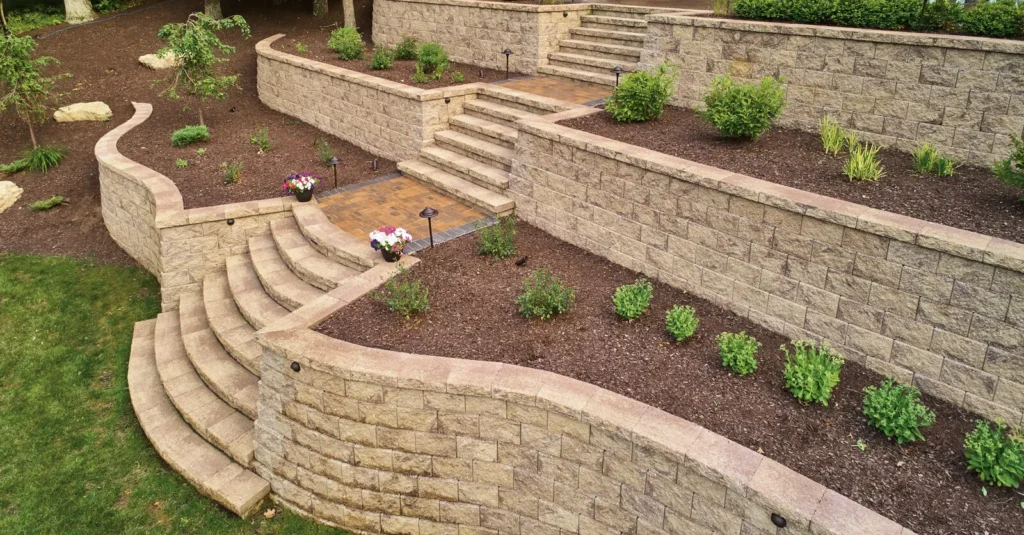
Leaning and Bulging Wall Repair
A wall leaning more than about 1 inch per foot of height is generally considered a structural concern rather than a cosmetic one. Repair may involve reinforcing the base, adding tiebacks, or partially rebuilding the affected section to correct the lean.
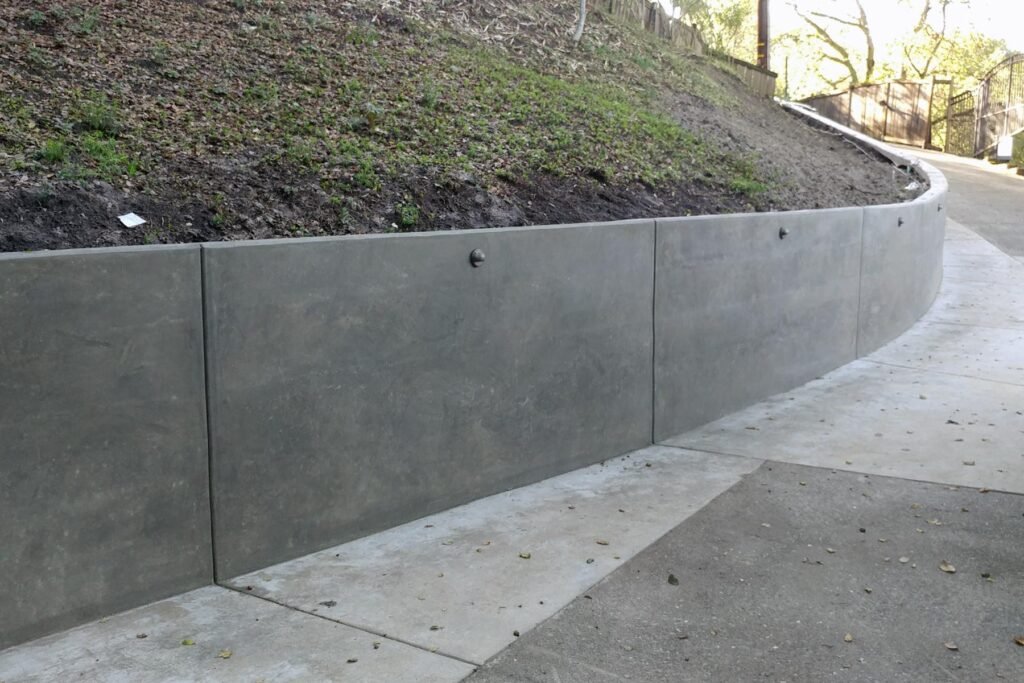
Retaining Wall Drainage Repair
Failed or missing drainage is one of the most common causes of wall problems. This service involves installing or repairing the perforated drain pipe and gravel backfill behind the wall to relieve water pressure and stop future erosion.
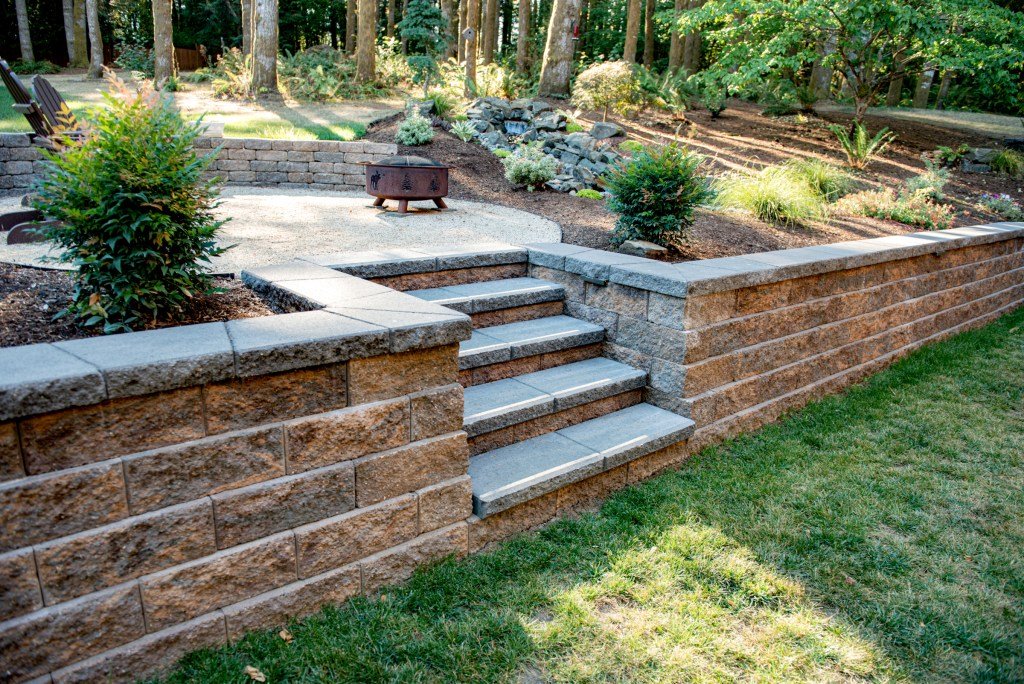
Retaining Wall Rebuild and Partial Replacement
When a section of wall has failed structurally, whether from base failure, material breakdown, or long-term soil pressure, that section is removed and rebuilt with a properly compacted base and drainage system rather than patched.
Block and Segmental Wall Repair
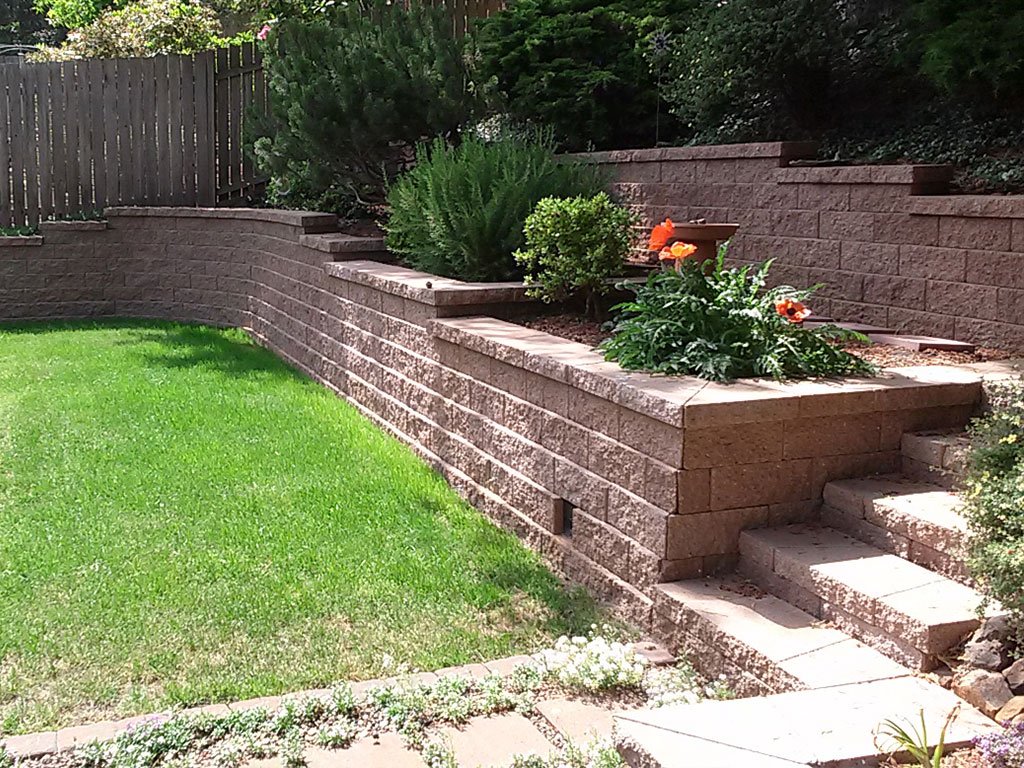
Shifted, cracked, or displaced block units are common on segmental walls, especially where the base wasn’t compacted correctly during original construction. Repair involves resetting or replacing affected block courses and correcting the base beneath them.
Settling and Sinking Wall Repair
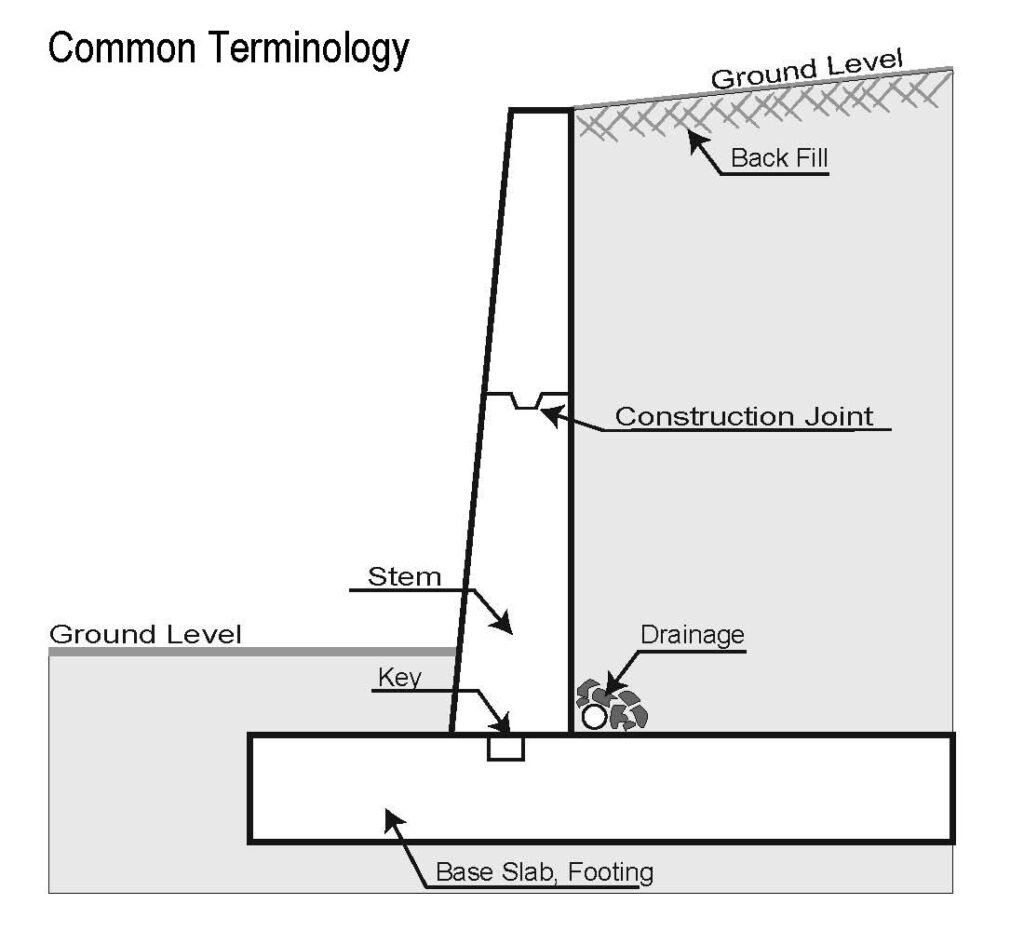
A wall that has settled or sunk at one end usually points to inadequate footing depth or poor soil compaction at installation. Repair typically involves excavating and rebuilding the footing to properly support the wall going forward.
Benefits of Retaining Wall Repair for Carmel Valley Homeowners
Improves Property Functionality
Repairing a failing wall restores the usable flat space it was originally built to create, whether that's a patio, garden terrace, or level yard area. A structurally sound wall keeps that space safe to use.
Helps Manage Slopes and Soil Movement
A repaired wall re-establishes the structural support holding back the slope behind it. This reduces the risk of soil movement spreading to other areas of the property, particularly on hillside and canyon-adjacent lots.
Improves Drainage and Erosion Control
Most repairs include correcting or upgrading the drainage system behind the wall. This addresses the water pressure buildup that causes many wall failures in the first place.
Enhances Outdoor Appearance
A leaning, cracked, or stained wall affects the overall look of a property's landscaping. Repair restores both the structural integrity and the visual condition of the wall.
Adds Long-Term Property Value
Addressing wall issues early protects the surrounding landscape investment and avoids the higher cost of a full replacement later. A well-maintained wall is viewed as a maintained asset rather than a deferred repair.
Let's Start Your Retaining Wall Project in Carmel Valley
Let’s chat about your ideas! Getting started is easy – simply reach out with details about your retaining wall project!
Retaining Wall Repair in Carmel Valley, CA
Carmel Valley is a master-planned community in northwestern San Diego, developed primarily from the 1980s onward across a landscape of mesas, valleys, and canyon terrain. The community is home to approximately 39,000 residents, according to the City of San Diego.
Many homes in the area were built during the 1980s and 1990s on graded hillside lots, which means a growing number of original retaining walls are now old enough to show signs of wear, drainage failure, or settling.
Carmel Valley has a mild Mediterranean climate, with wetter winters that can accelerate existing drainage weaknesses in older or improperly built walls. Seasonal rain is one of the most common triggers for repair calls in the area.
Housing throughout the community includes upscale single-family homes and planned developments, many within HOA communities where maintaining a wall’s appearance, as well as its structural integrity, matters to homeowners.
Given the age of many original walls and the area’s hillside terrain, retaining wall repair is a common and often time-sensitive need for local homeowners.
Carmel Valley at a Glance
- Population: Approximately 39,000 residents (City of San Diego)
- Location: Northwestern San Diego, California
- Terrain: Mesas, canyons, valleys, and graded hillside lots
- Climate: Mild Mediterranean, with wetter winters and dry summers
- Housing: Upscale single-family homes and planned residential communities, many built in the 1980s–1990s
Communities We Serve Near Carmel Valley
In addition to Carmel Valley, retaining wall repair services are available in nearby communities including Rancho Peñasquitos, Rancho Bernardo, Rancho Santa Fe, Del Mar, Solana Beach, Fairbanks Ranch, and Scripps Ranch. Many of these areas share similar hillside terrain and building age, making wall repair a common need throughout the region.
Why Carmel Valley Properties Often Need Retaining Wall Repair
Sloped and hillside lots put ongoing lateral pressure on retaining walls, and that pressure increases when drainage systems fail or were never adequately designed in the first place.
Seasonal rainfall is one of the most common triggers for visible wall problems, since water that isn’t properly redirected builds up behind the wall and accelerates cracking, leaning, or base failure.
The age of many original walls throughout the community also plays a role. Walls built decades ago, particularly those without modern drainage detailing, are more likely to need repair now than newer construction.
How Much Does Retaining Wall Repair Cost in Carmel Valley?
Typical Project Cost Ranges
| Repair Type | Typical Cost Range | Factors Affecting Price |
|---|---|---|
| Minor crack sealing / surface repair | $500 – $2,000 | Crack size, wall material, accessibility |
| Drainage repair or upgrade | $1,500 – $6,000 | Wall length, excavation depth, existing drainage condition |
| Leaning wall stabilization | $3,000 – $10,000 | Wall height, lean severity, reinforcement method |
| Partial section rebuild | $5,000 – $15,000 | Section size, material, soil conditions |
| Full wall replacement | $9,000 – $40,000+ | Wall height, length, material, engineering needs |
These ranges are broad estimates. Exact pricing depends on the wall’s condition, size, and the underlying cause of the problem, which requires an in-person assessment.
Factors That Affect Retaining Wall Repair Pricing
- Extent of damage – a sealed crack costs far less than a structural rebuild.
- Wall material – concrete, block, and stone each require different repair methods.
- Root cause – drainage failures often add cost beyond the visible repair area.
- Wall height and length – larger affected areas increase labor and material needs.
- Site access – equipment access on hillside lots can affect labor time.
- Soil conditions – unstable soil may require additional base work.
- Urgency – active soil movement or an unstable wall may require expedited work.
Local Carmel Valley Factors That Affect Cost
- Hillside lots often need additional excavation and reinforcement during repair.
- Canyon terrain can complicate access and increase drainage repair scope.
- Soil stability on graded lots can affect how much of the wall needs rebuilding versus repairing.
- Drainage requirements are often more extensive given local rainfall and slope patterns.
- Property accessibility on hillside streets can affect equipment staging.
- Coastal climate influences, including seasonal rain, are common contributors to the drainage issues behind failed walls.
Why Detailed Estimates Matter
A detailed estimate should clearly explain the diagnosed cause of the wall issue, not just the visible symptom. This helps homeowners understand whether they’re paying for a lasting fix or a temporary patch.
Transparent pricing also separates the cost of the repair itself from any drainage correction or base rebuilding required, so there are no surprises once work begins.
Why Choose Retaining Wall Contractor Carmel Valley?
Local Knowledge of Carmel Valley Properties
Understanding how hillside and canyon-adjacent lots behave locally helps correctly diagnose why a wall is failing, rather than just treating the visible symptom.
Quality Materials and Construction Practices
Repairs are built to the same base compaction and drainage standards as new construction, so the fix holds up rather than needing repeated attention.
Professional Installation Approach
Every repair starts with an honest assessment of whether a targeted fix, partial rebuild, or full replacement is the right solution for the wall’s condition.
Clear Communication From Start to Finish
Homeowners are walked through the diagnosed cause, the recommended repair, and the expected outcome before any work begins.
Homeowner-Focused Service
The goal is a lasting repair that addresses the actual cause of the damage, not the fastest or cheapest patch available.
Need Help?
Frequently Asked Questions About Retaining Wall Repair in Carmel Valley
Below are some of the most common questions Our Network get from families about Retaining Wall. If you have any other questions contact us!
How do I know if my retaining wall needs repair or full replacement?
A wall with a lean under 1 inch per foot of height, isolated cracking under 1/4 inch, or a single localized drainage issue can usually be repaired. A wall leaning more than that, showing multiple cracks over 1/4 inch, or with a visibly bowed section often needs a partial or full rebuild.
How long does a typical retaining wall repair take?
Minor repairs like crack sealing or a small drainage fix typically take 1–3 days. Partial rebuilds usually take 5–10 days, and full wall replacement can take 2–4 weeks depending on wall length and site access.
What are the warning signs my retaining wall needs attention?
Watch for cracks wider than 1/4 inch, a visible lean or bulge, gaps opening between blocks or stones, water pooling at the base after rain, or soil eroding out from beneath the wall. Any of these warrant an inspection before the next rainy season.
Can a leaning retaining wall be straightened, or does it need to be rebuilt?
A wall with a lean under about 1 inch per foot can sometimes be stabilized with reinforcement or a corrected base. Beyond that, most contractors recommend a rebuild, since the structural integrity is usually too compromised to safely correct in place.
Is retaining wall repair covered by homeowners insurance?
Coverage varies by policy and cause of damage. Gradual soil movement or wear is typically not covered, while sudden events like a documented landslide may be, so it’s worth checking directly with your insurance provider.
How much does it cost to fix a small crack versus rebuilding a wall?
A minor crack repair generally runs $500–$2,000, while a full wall replacement can range from $9,000 to $40,000 or more depending on height, length, and material. This is why catching problems early makes a significant cost difference.
Will fixing the drainage stop my wall from leaning further?
In many cases, yes, if the lean is still within a repairable range and hasn’t caused structural damage. Correcting the drainage removes the ongoing water pressure that’s usually driving the movement, but an inspection is needed to confirm the wall’s base is still sound.
Contact Retaining Wall Contractor Carmel Valley Today
If your retaining wall is cracking, leaning, or showing signs of drainage failure, addressing it early is almost always simpler and more affordable than waiting. Every wall issue has a specific cause, and the right fix starts with a proper on-site assessment.