
Retaining Wall Contractor in Carmel Valley, CA
Professional retaining wall installation and repair services for homeowners in Carmel Valley. We help improve slopes, drainage, and erosion control with durable retaining wall solutions built for this master-planned community's mesa-and-canyon terrain.
Retaining Wall Services in Carmel Valley
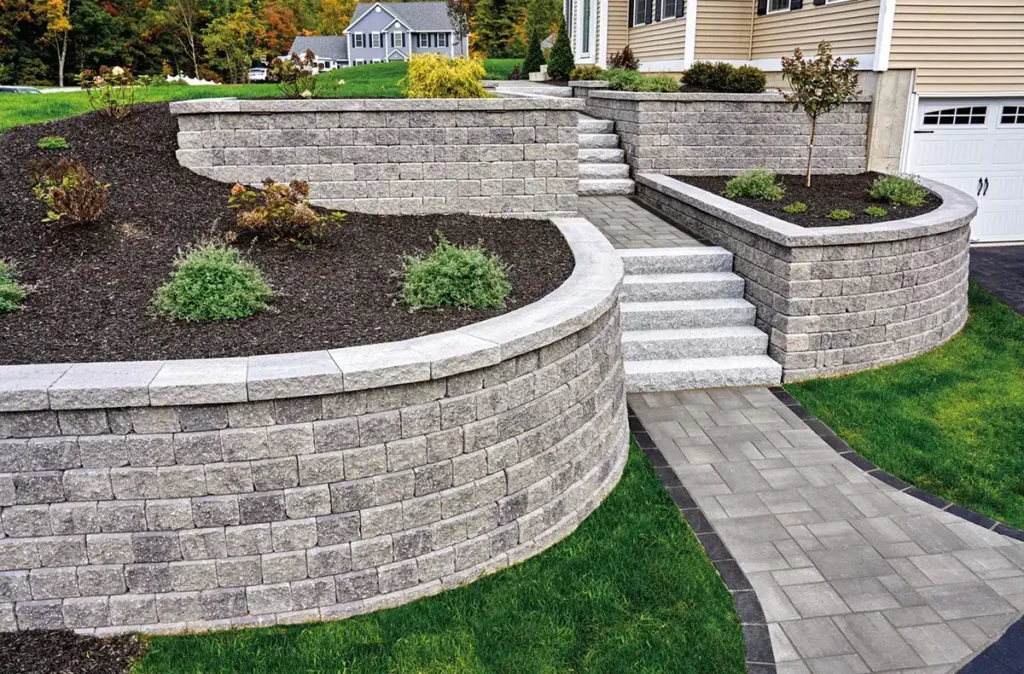
Retaining Wall Installation
New retaining wall construction is common for homeowners looking to stabilize a slope, reclaim usable yard space, or prevent erosion along a canyon-adjacent property line. Retaining walls are frequently used to level backyards for patios, gardens, or outdoor living areas.
Before installation, homeowners should consider the slope’s grade, soil type, drainage needs, and how the wall will tie into existing landscaping and hardscape.
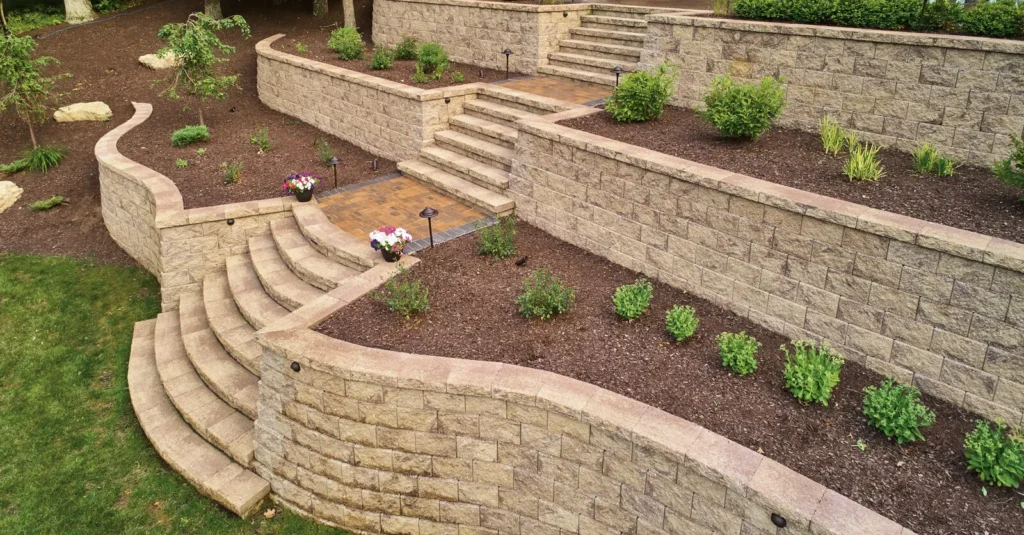
Retaining Wall Repair
Signs a retaining wall needs repair include visible cracks, bulging or leaning sections, gaps forming at the base, and water pooling behind the wall instead of draining away. Older walls without drainage systems are especially prone to these issues.
If a wall is leaning or showing separation at the joints, it’s often a sign that soil pressure or trapped water is pushing against it. Addressing this early prevents more costly structural failure later.
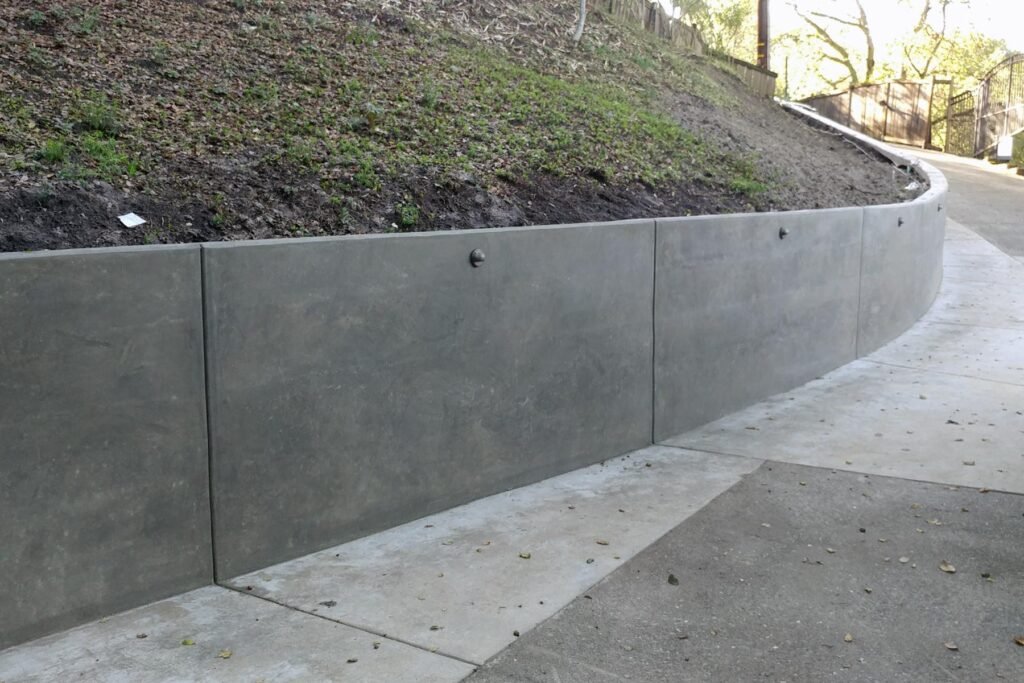
Concrete Retaining Walls
Concrete retaining walls offer strong load-bearing capacity, making them a good option for taller walls or slopes carrying significant soil pressure. They can be finished in several styles, from smooth poured concrete to stamped or textured finishes.
Concrete works well for canyon-adjacent lots that need a structurally robust solution.
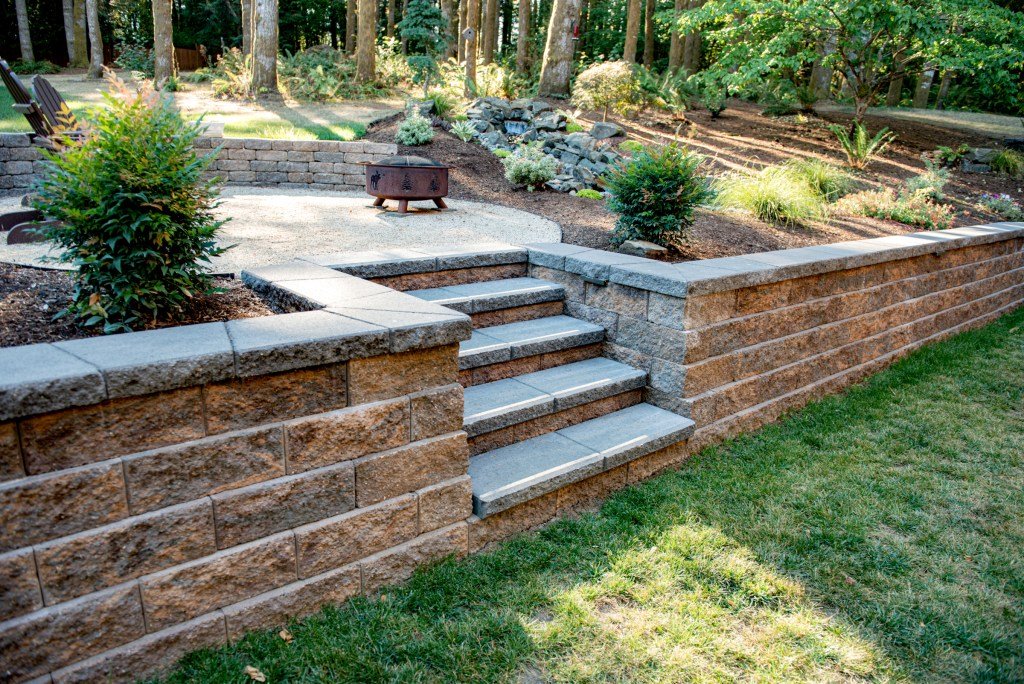
Block Retaining Walls
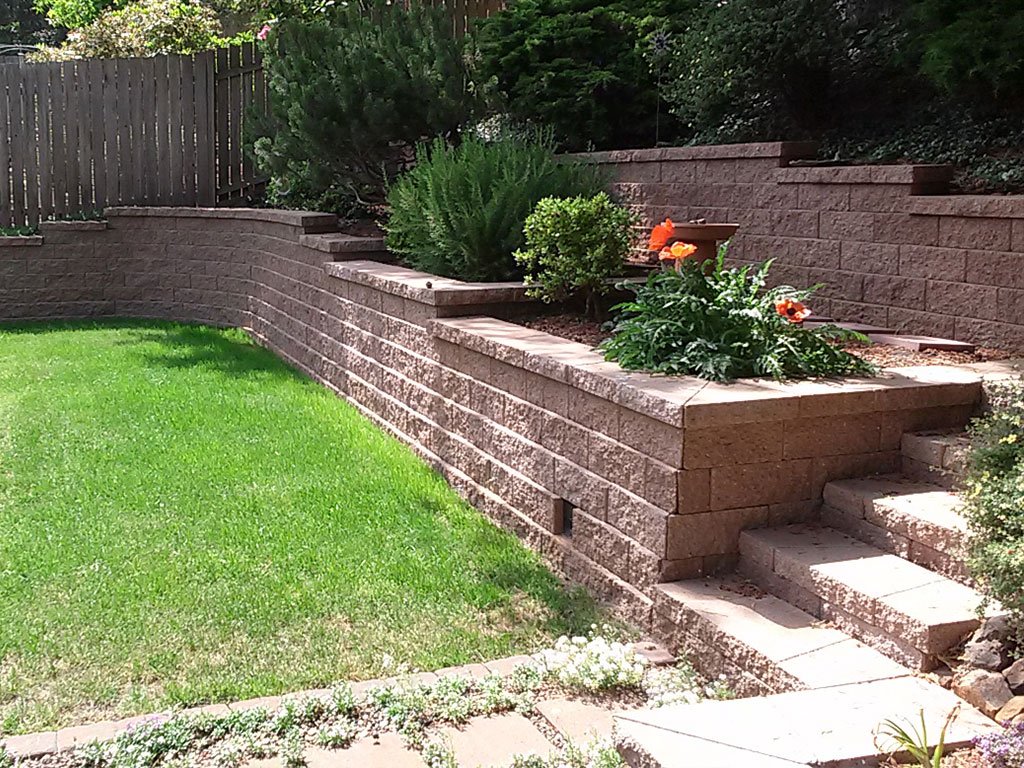
Segmental block retaining walls are a popular residential choice because they’re versatile, come in a range of colors and textures, and can be built in curved or stepped designs to match a yard’s layout.
Block walls generally require less specialized equipment to install than poured concrete and can be a practical option for mid-height walls in residential landscaping.
Natural Stone Retaining Walls
Natural stone walls provide a more organic, landscaped look that fits well with Carmel Valley’s mesa-and-canyon setting. They pair well with terraced garden designs and drought-tolerant landscaping.
Stone is a heavier, more labor-intensive material, so proper base preparation is important. It tends to suit properties where appearance and blending into the natural surroundings is a priority.
Hillside Retaining Walls
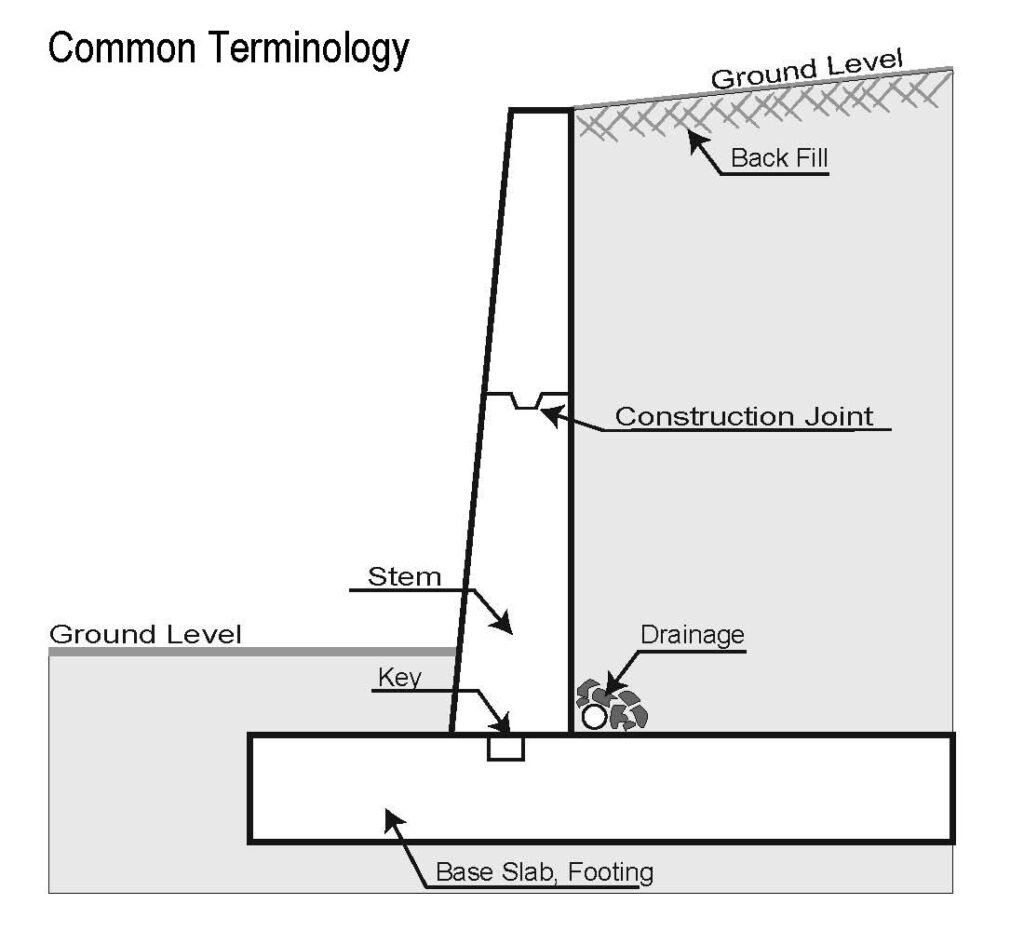
Sloped and canyon-adjacent lots present the greatest engineering challenges. Soil stabilization, proper drainage behind the wall, and careful grading are all critical on Carmel Valley’s steeper terrain.
Safety is a major consideration on hillside walls — undersized footings or missing drainage can lead to failure over time, particularly with San Diego’s seasonal rain. These walls typically require more planning than a standard flat-yard wall.
Let's Start Your Retaining Wall Project in Carmel Valley
Let’s chat about your ideas! Getting started is easy – simply reach out with details about your retaining wall project!
Retaining Wall Construction in Carmel Valley — What Homeowners Should Know
Carmel Valley is home to a large, growing population — estimates place the ZIP code 92130 area (which includes Carmel Valley along with Del Mar Mesa, Pacific Highlands Ranch, and Torrey Hills) at well over 50,000 residents. The community’s name comes from the Carmelite Sisters of Mercy, who established a dairy farm and monastery in the area around 1905, long before the master-planned development seen today.
The community was formally established by the City of San Diego in 1975 (originally under the name “North City West,” with the Carmel Valley name adopted by residents in 1991), and residential construction accelerated through the 1980s. That development pattern — graded mesas surrounded by preserved canyon land — is central to how retaining walls get used here today.
A few local factors that matter for wall planning:
| Local Factor | Detail |
|---|---|
| ZIP code | 92130 |
| Community formed | 1975 (construction began in the 1980s) |
| Bordering open space | Los Peñasquitos Canyon Preserve, Torrey Pines State Natural Reserve |
| Terrain | Mesas, valleys, and canyon-edge slopes |
| Average annual rainfall (San Diego) | Roughly 10–12 inches |
| Wettest months | December through March |
San Diego’s rainfall pattern is especially relevant on canyon-adjacent slopes. Because nearly all of the region’s precipitation falls in a four-month window, soil that’s been dry for months can absorb heavy rain quickly during winter storms. That rapid saturation is what generates hydrostatic pressure behind a retaining wall, and it’s also a major driver of erosion on unstabilized canyon slopes.
Soil composition also matters. Much of the hillside terrain in this part of San Diego includes clay-heavy and decomposed granite soils, both of which behave differently when wet versus dry, which affects how deep a wall’s footing needs to be.
Permitting is tied to wall height. As part of the City of San Diego, Carmel Valley is subject to city rules requiring a building permit for any retaining wall over 3 feet in height (measured from the bottom of the footing to the top of the wall), or for any wall that supports a sloped backfill steeper than 1.5:1 (horizontal to vertical), regardless of height. Since requirements can be updated, it’s worth confirming current rules with San Diego Development Services before construction begins.
Long-term durability comes down to proper base preparation, adequate drainage sized for San Diego’s concentrated rainy season, and a footing depth suited to both the wall’s height and the soil it’s holding back.
How Much Does a Retaining Wall Cost in Carmel Valley?
Average Retaining Wall Cost in Carmel Valley
| Retaining Wall Type | Average Cost Range | Main Cost Factors |
|---|---|---|
| Small residential retaining wall | $3,500 – $9,000 | Height, length, basic drainage |
| Concrete retaining wall | $9,000 – $30,000+ | Reinforcement, height, finish |
| Block retaining wall | $6,000 – $22,000 | Block type, height, curves/steps |
| Natural stone retaining wall | $10,000 – $35,000+ | Stone type, labor, design complexity |
| Large hillside retaining wall | $20,000 – $60,000+ | Engineering, excavation, drainage systems |
These are broad industry ranges. Every property is different, and an accurate cost depends on a site visit and project scope.
Factors That Affect Retaining Wall Pricing
- Wall height and length
- Material selection (concrete, block, or stone)
- Excavation and grading requirements
- Labor difficulty based on slope and access
- Equipment access to the work area
- Drainage system requirements
- Soil conditions and stability
- Additional landscaping or restoration work
Local Carmel Valley Factors That Can Affect Cost
- Canyon-adjacent lots near Los Peñasquitos Canyon Preserve may require additional erosion control measures
- Steep backyard slopes can increase excavation and engineering costs
- Limited equipment access on some hillside or canyon-rim properties can raise labor costs
- Clay or decomposed granite soils may affect footing depth and drainage design
- Newer homes with existing hardscape or landscaping may require careful integration during construction
Why Professional Estimates Matter
An accurate estimate starts with precise measurements of the slope, soil conditions, and drainage needs — not guesswork. Material selection affects both cost and long-term performance, so it should match the specific site.
A clear, written project scope helps homeowners understand exactly what’s included, from excavation to drainage to finishing, which helps avoid unexpected costs once construction begins.
Why Choose Retaining Wall Contractor Carmel Valley?
Local Knowledge of Carmel Valley Properties
We understand the terrain that defines this community — from canyon-rim lots near the Los Peñasquitos Canyon Preserve to graded mesa-top neighborhoods throughout the area. That local familiarity informs how we plan and design each wall.
Quality Materials and Workmanship
We use materials suited to the specific demands of the site, whether that’s a structurally reinforced concrete wall or a block system designed for residential landscaping. Proper construction technique matters as much as the material itself.
Professional Retaining Wall Installation
Every project starts with planning and site preparation — assessing slope, soil, and drainage needs before construction begins. Proper base preparation and footing depth are treated as essential steps, not shortcuts.
Clear Communication
Homeowners deserve a transparent process from estimate to completion. We keep clients informed at each stage and are available to answer questions about materials, timeline, or scope.
Homeowner-Focused Service
We take time to understand what each homeowner is trying to accomplish — whether that’s stopping erosion, creating usable yard space, or repairing an aging wall — and recommend practical solutions that fit the property and budget.
Need Help?
Common Questions About Retaining Walls in Carmel Valley
Below are some of the most common questions Our Network get from families about Retaining Wall. If you have any other questions contact us!
How much does a retaining wall cost in Carmel Valley?
A residential retaining wall commonly costs between approximately $5,000 and $30,000 depending on size, materials, slope, access, and drainage requirements. Larger hillside or canyon-adjacent walls can cost more due to engineering and excavation needs.
What is the best material for a retaining wall?
Concrete offers the highest strength and works well for taller or heavily loaded walls, particularly on canyon-adjacent slopes. Block is versatile, cost-effective, and available in many styles for mid-sized residential walls. Natural stone provides a more landscaped, organic appearance that complements Carmel Valley’s mesa-and-canyon setting. The right choice depends on the slope, budget, and desired look.
How long do retaining walls last?
Many properly built retaining walls can last 30 years or more, depending on materials, drainage design, soil conditions, and installation quality. Walls without adequate drainage tend to fail sooner.
Do retaining walls need drainage?
Yes. Without proper drainage, water builds up behind the wall and creates hydrostatic pressure, which is one of the most common causes of retaining wall failure. Drainage systems help relieve that pressure and extend the wall’s lifespan.
When should a retaining wall be repaired?
Warning signs include visible cracking, sections that lean or bulge outward, gaps forming at the base, and water pooling instead of draining. Addressing these issues early can prevent more extensive structural repairs later.
Can retaining walls increase property value?
Retaining walls can improve a property’s usability by creating level, functional outdoor space and addressing drainage or erosion issues. Well-designed hardscaping is often viewed favorably by buyers on sloped or canyon-adjacent lots.
Do you serve areas near Carmel Valley?
Yes. In addition to Carmel Valley, we regularly work with homeowners throughout the surrounding San Diego and North County communities, including:
- Retaining Wall Contractor in Rancho Peñasquitos, CA
- Retaining Wall Contractor in Rancho Bernardo, CA
- Retaining Wall Contractor in Rancho Santa Fe, CA
- Retaining Wall Contractor in Del Mar, CA
- Retaining Wall Contractor in Solana Beach, CA
- Retaining Wall Contractor in Fairbanks Ranch, CA
- Retaining Wall Contractor in Scripps Ranch, CA
If you don’t see your neighborhood listed, reach out — there’s a good chance we still serve your area.
Contact Retaining Wall Contractor Carmel Valley Today
If you’re dealing with a sloped yard, an aging retaining wall, or drainage issues on your Carmel Valley property, we’re here to help. We offer free, no-pressure consultations to evaluate your site and discuss the right retaining wall solution for your home.
We proudly serve homeowners throughout Carmel Valley and the surrounding San Diego communities.