
Retaining Wall Installation in Carmel Valley, CA
Trusted Retaining Wall Installation in Carmel Valley, CA — Built for Hillside Lots, Slopes, and Drainage Control
What Is Retaining Wall Installation?
Retaining wall installation is the process of designing and building a structural wall that holds back soil on a sloped or graded property. It involves excavation, a compacted base, drainage systems, and the wall structure itself.
The wall works by resisting the lateral pressure of the soil behind it. This pressure increases with wall height and with water saturation, which is why proper drainage design is a critical part of every installation.
Homeowners typically need a retaining wall when a slope is eroding, when they want to create usable flat space in a sloped yard, or when they’re building a new landscape feature like a patio, driveway, or garden terrace.
The main benefits include slope stabilization, erosion control, improved drainage, and additional usable outdoor space. A well-built wall also adds a clean, finished look to a property’s landscaping.
Important considerations include wall height, soil type, drainage requirements, and whether the project requires engineering review. Taller walls and walls near structures typically require more planning and, in some cases, permits.
Material choice also affects both function and appearance. Concrete, block, and natural stone each perform differently and suit different types of properties and budgets.
Types of Retaining Wall Installation Options Available
New Retaining Wall Construction
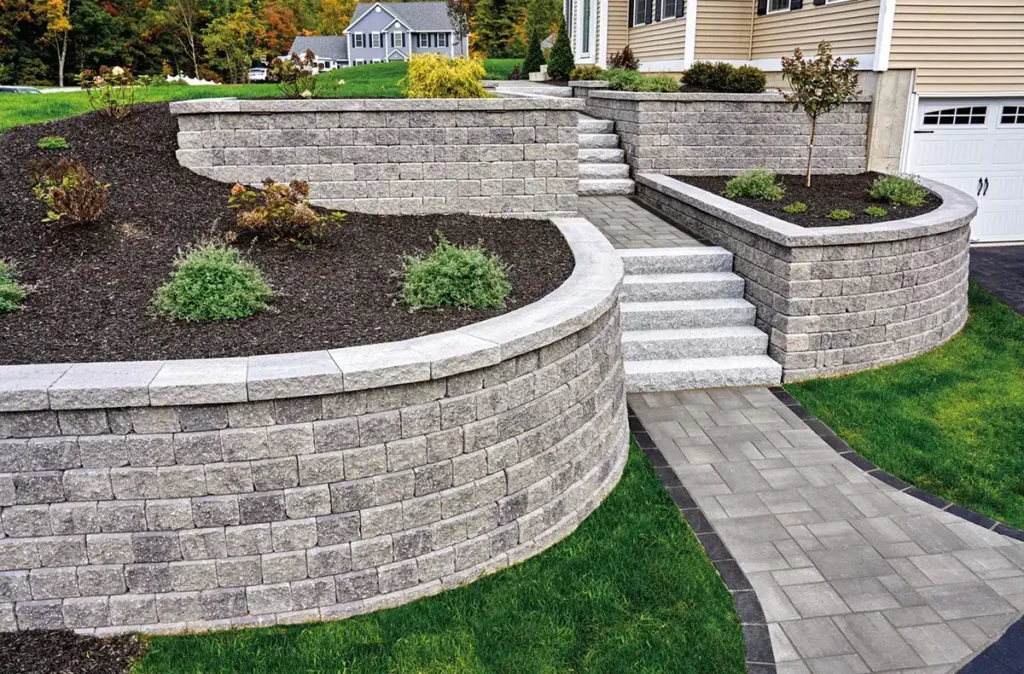
For lots with an unsupported slope, bare hillside, or a yard that has never had a retaining structure, we design and build a new wall from the ground up. This includes the full scope of work: excavation, engineering considerations, base preparation, drainage, and construction.
Segmental Block Retaining Wall Installation
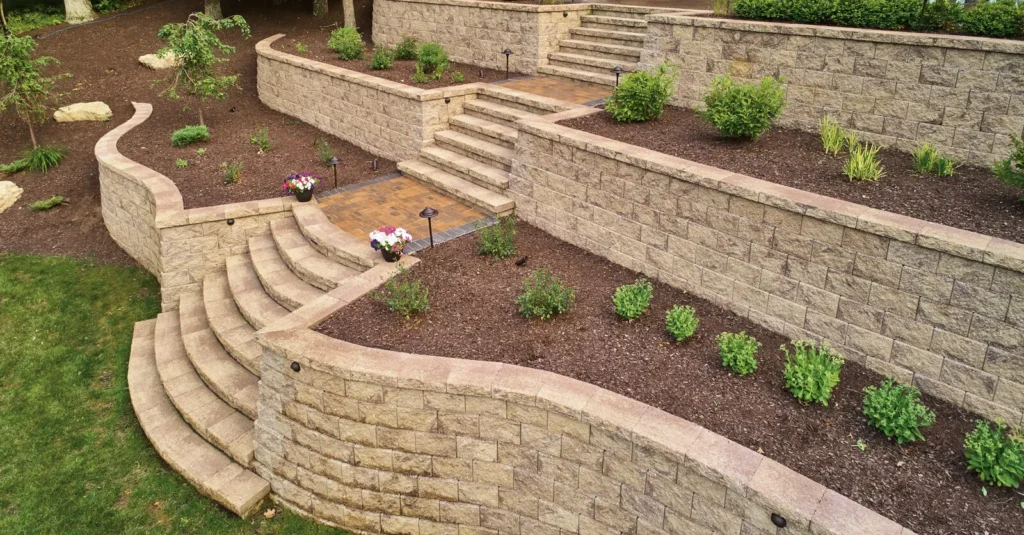
Segmental block systems use interlocking concrete units that don’t require mortar, making them a durable and cost-effective option for most residential wall heights. The interlocking design also allows for a slight batter, or backward lean, which adds structural stability against soil pressure.
Poured Concrete Retaining Wall Installation
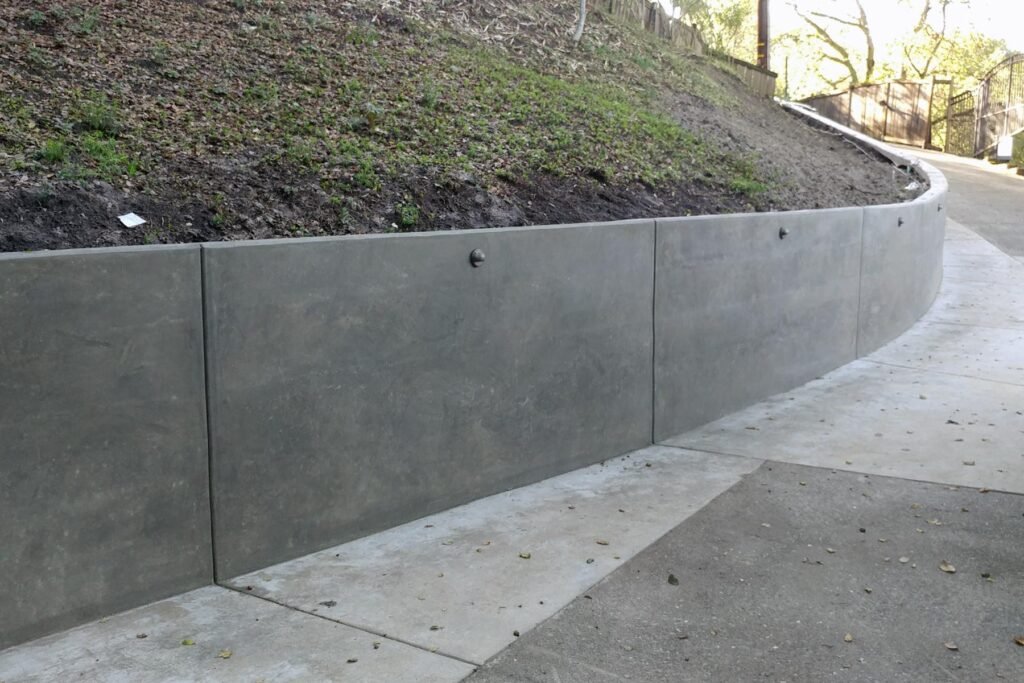
Poured concrete walls are formed and cast on-site, creating a solid, continuous structure with high load-bearing capacity. This method is typically used for taller walls or walls that support significant surcharge loads, such as a driveway, patio, or structure above the wall.
Natural Stone Retaining Wall Installation
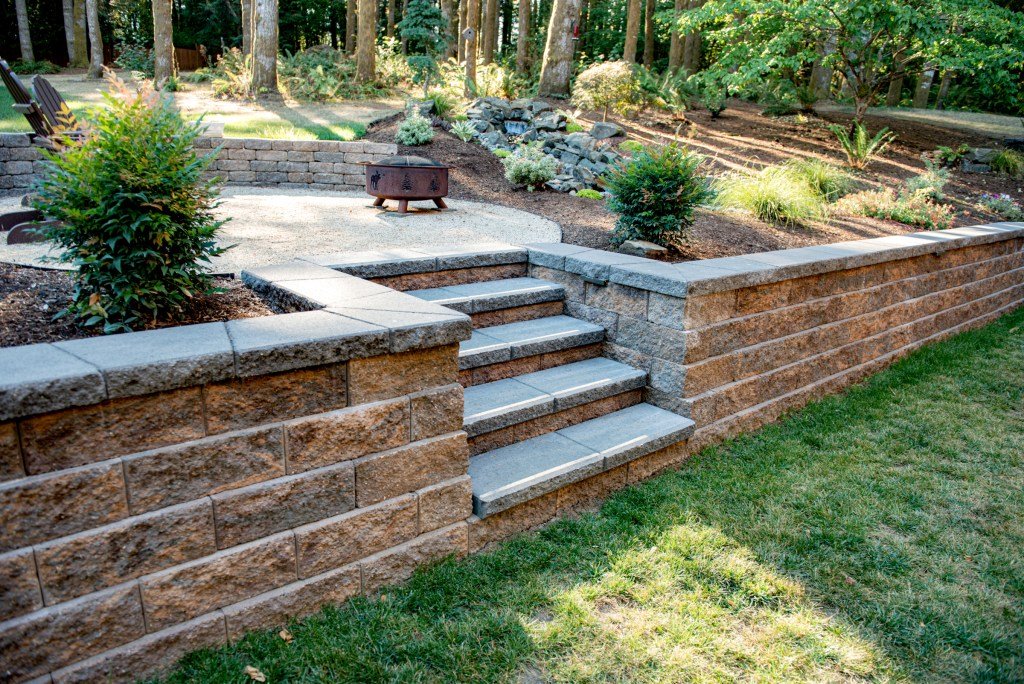
Natural stone installation uses quarried or fieldstone, either dry-stacked or set with mortar, to build a wall with a custom, high-end appearance. Stone is typically selected for walls under 4 feet in visible, high-traffic areas like entryways, front yards, or patio surrounds.
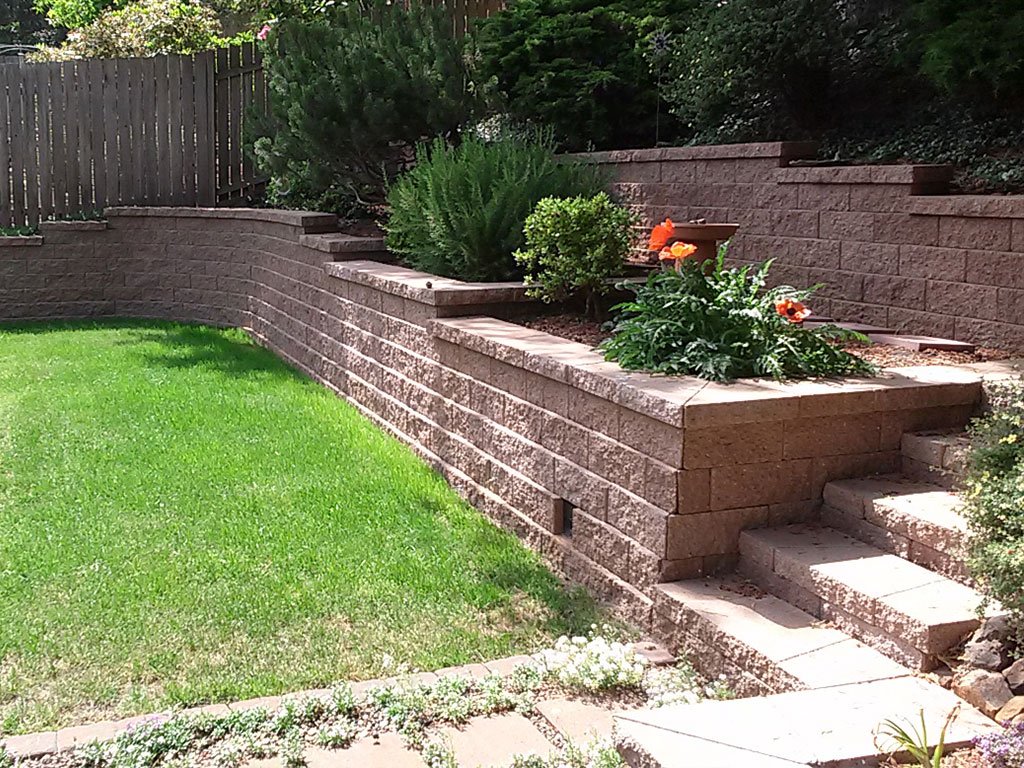
Tiered and Terraced Retaining Wall Installation
Rather than building one very tall wall, tiered systems use two or more shorter walls, each typically under 4 feet, separated by a planted or hardscaped set-back. This approach reduces the structural load on any single wall and often avoids the engineering and permitting requirements triggered by taller single-tier walls.
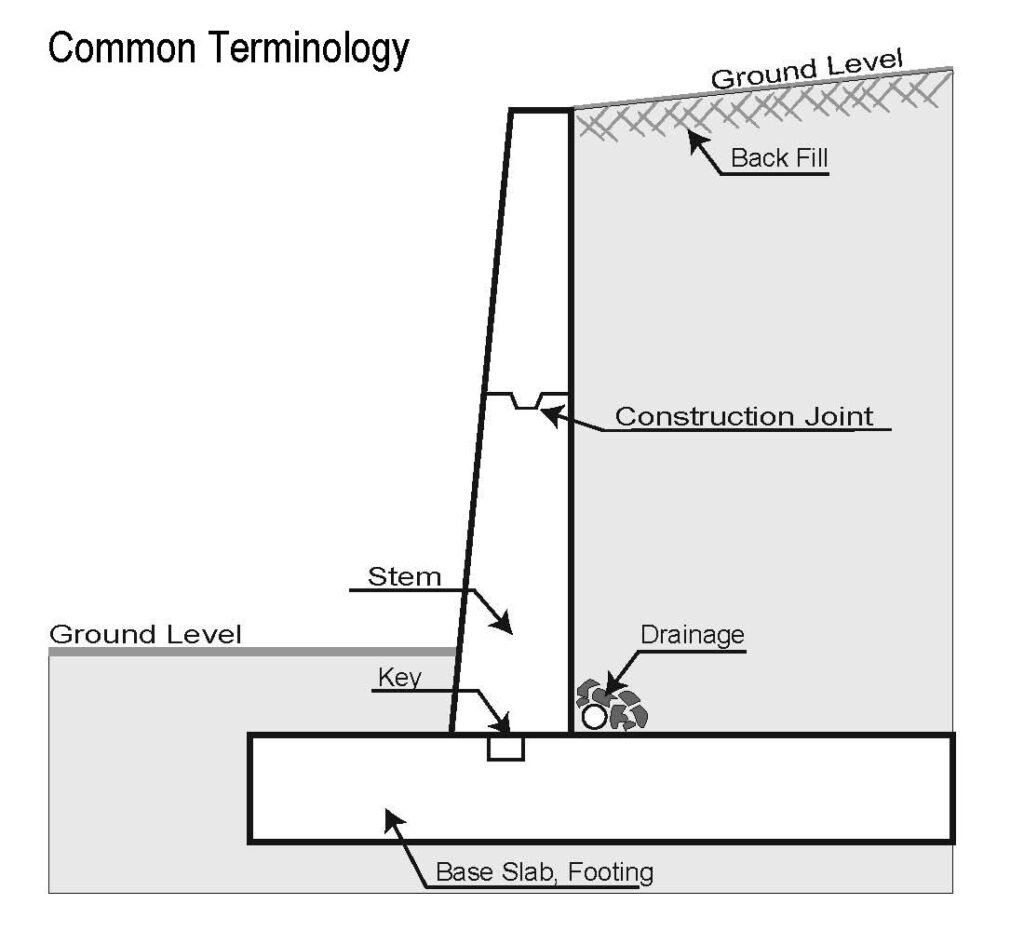
Engineered Hillside and Slope Retaining Wall Installation
Hillside installations involve additional engineering considerations to manage steep grade changes, higher lateral soil pressure, and site-specific drainage needs. These projects often require a soils assessment and, for taller or load-bearing walls, stamped engineered plans before construction begins.
Benefits of Retaining Wall Installation for Carmel Valley Homeowners
Improves Property Functionality
A retaining wall can turn an unusable slope into flat, functional space. This opens up options for patios, gardens, play areas, or additional yard space that wasn't accessible before.
Helps Manage Slopes and Soil Movement
Retaining walls hold soil in place on graded and hillside lots. This reduces the risk of slope movement over time, particularly on properties near canyon edges.
Improves Drainage and Erosion Control
A well-designed retaining wall includes drainage features that redirect water away from the base of the wall and the surrounding soil. This helps prevent erosion, pooling, and water damage to nearby structures.
Enhances Outdoor Appearance
Retaining walls can be designed to complement a home's architecture and landscaping style. Materials like natural stone or decorative block can turn a functional structure into a landscape feature.
Adds Long-Term Property Value
A properly built retaining wall protects the usable land area of a property and prevents costly erosion or slope failure down the road. It's a structural investment as much as a landscaping one.
Let's Start Your Retaining Wall Project in Carmel Valley
Let’s chat about your ideas! Getting started is easy – simply reach out with details about your retaining wall project!
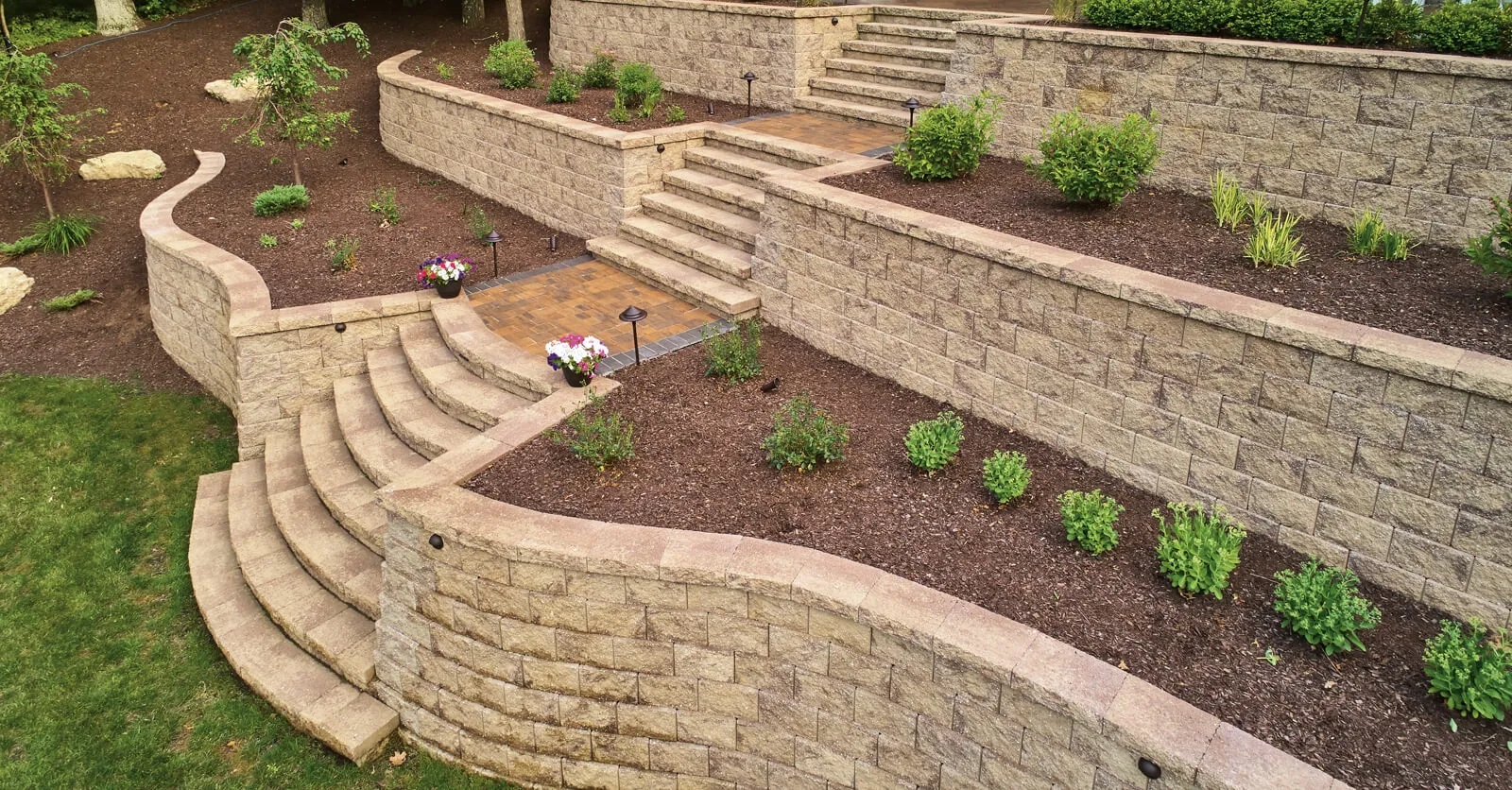
Retaining Wall Installation in Carmel Valley, CA
Carmel Valley is a master-planned community in northwestern San Diego, developed primarily from the 1980s onward across a landscape of mesas, valleys, and canyon terrain. The community is home to approximately 39,000 residents, according to the City of San Diego.
The area’s terrain is a defining feature. Homes are frequently built on graded hillside lots that border natural canyons and preserved open space, which makes slope stability and drainage an ongoing consideration for many properties.
Carmel Valley has a mild Mediterranean climate, with warm, dry summers and cooler, wetter winters. Seasonal rainfall can put added pressure on unsupported slopes, particularly on properties with limited drainage infrastructure.
Housing in the area ranges from upscale single-family homes to planned residential communities, many of which are governed by HOA design standards. Outdoor living spaces, terraced landscaping, and hillside yards are common features throughout the community.
Given this combination of terrain, climate, and housing style, retaining walls are one of the more common and necessary hardscaping investments for homeowners throughout the area.
Carmel Valley at a Glance
- Population: Approximately 39,000 residents (City of San Diego)
- Location: Northwestern San Diego, California
- Terrain: Mesas, canyons, valleys, and graded hillside lots
- Climate: Mild Mediterranean, with wetter winters and dry summers
- Housing: Upscale single-family homes and planned residential communities, many within HOA developments
Communities We Serve Near Carmel Valley
In addition to Carmel Valley, retaining wall installation services are available in nearby communities including Rancho Peñasquitos, Rancho Bernardo, Rancho Santa Fe, Del Mar, Solana Beach, Fairbanks Ranch, and Scripps Ranch. Many of these areas share similar hillside and canyon terrain, making retaining wall installation a common need throughout the region.
Why Carmel Valley Properties Often Need Retaining Walls
Sloped lots and hillside construction are common throughout Carmel Valley, particularly on properties near canyon edges or preserved open space. These conditions make soil movement and erosion an ongoing concern without proper structural support.
Drainage management is especially important given the area’s rainfall patterns and graded terrain. Water that isn’t properly directed can accelerate erosion and undermine slope stability over time.
Many homeowners also install retaining walls to create usable outdoor living space on properties that would otherwise be too steep for patios, gardens, or entertaining areas. Combined with the area’s emphasis on luxury landscaping, this makes retaining walls both a functional and aesthetic investment for many Carmel Valley properties.
How Much Does Retaining Wall Installation Cost in Carmel Valley?
Typical Project Cost Ranges
| Project Type | Typical Cost Range | Factors Affecting Price |
|---|---|---|
| Small block retaining wall (low height, limited length) | $3,500 – $9,000 | Wall length, height, site access |
| Mid-size block or concrete wall | $9,000 – $22,000 | Height, drainage needs, material |
| Natural stone retaining wall | $15,000 – $35,000+ | Stone type, labor complexity, design |
| Hillside or tiered retaining wall system | $20,000 – $50,000+ | Slope severity, engineering, terracing |
| Large-scale or structural wall (supporting driveway/foundation) | $25,000 – $60,000+ | Engineering requirements, excavation, soil conditions |
These ranges are broad estimates. Every property is different, and final pricing depends on a full site evaluation.
Factors That Affect Retaining Wall Installation Pricing
- Project size – wall length and height directly affect material and labor costs.
- Materials – concrete, block, and natural stone each carry different costs.
- Labor complexity – tiered walls and taller structures require more skilled labor.
- Site access – limited equipment access can increase labor time.
- Soil conditions – unstable or rocky soil can add excavation and stabilization costs.
- Drainage requirements – proper drainage systems add to both material and labor.
- Design choices – decorative finishes and custom stone patterns increase cost.
Local Carmel Valley Factors That Affect Cost
- Hillside lots often require additional engineering and terracing.
- Canyon terrain can increase excavation complexity and drainage requirements.
- Soil stability on graded lots may call for extra base preparation.
- Drainage requirements are often more extensive due to slope and rainfall runoff patterns.
- Luxury landscaping goals may call for premium materials like natural stone.
- Property accessibility on hillside streets can affect equipment staging and labor time.
- Coastal climate influences, including seasonal rainfall, factor into drainage system design.
Why Detailed Estimates Matter
A detailed estimate protects homeowners from unexpected costs. It should clearly outline the scope of work, materials, drainage plan, and labor involved.
Transparent pricing also allows homeowners to compare material options and make informed decisions about their budget before work begins.
Avoid contractors who quote a price without a proper site visit. Retaining wall pricing depends heavily on soil, slope, and drainage conditions that can’t be accurately assessed without seeing the property.
Why Choose Retaining Wall Contractor Carmel Valley?
Local Knowledge of Carmel Valley Properties
Hillside lots, canyon-adjacent terrain, and coastal soil conditions all require specific construction knowledge. Familiarity with how properties in this area are graded and built helps ensure a wall is designed correctly the first time.
Quality Materials and Construction Practices
Proper base preparation, drainage design, and material selection all affect how long a retaining wall lasts. These fundamentals are treated as a priority on every project.
Professional Installation Approach
Each project starts with a proper site assessment rather than a generic estimate. This ensures the wall design matches the actual soil and slope conditions on the property.
Clear Communication From Start to Finish
Homeowners are kept informed at every stage, from the initial assessment through final cleanup. Questions about materials, timeline, or scope are addressed directly.
Homeowner-Focused Service
The goal is a wall that solves the property’s specific drainage and slope challenges, not a one-size-fits-all installation. Every recommendation is based on what the property actually needs.
Need Help?
Frequently Asked Questions About Retaining Wall Installation in Carmel Valley
Below are some of the most common questions Our Network get from families about Retaining Wall. If you have any other questions contact us!
How long does retaining wall installation take?
A small wall under 4 feet tall and under about 50 linear feet typically takes 3–7 days from excavation to cleanup. Larger walls, tiered hillside systems, or projects requiring engineering can take 2–4 weeks, factoring in permit review and multi-stage drainage work.
Do I need a permit to install a retaining wall?
In San Diego and most surrounding jurisdictions, retaining walls at or under 4 feet in height (measured from the bottom of the footing to the top of the wall) generally do not require a permit if there’s no surcharge load, such as a driveway or structure, above the wall. Walls taller than 4 feet, or walls supporting a slope, driveway, or structure, typically require a permit and engineered plans. A contractor can confirm the exact requirement for your property before work begins.
What's the most durable retaining wall material?
Poured concrete and properly engineered segmental block walls both commonly last 50 years or more when built with correct drainage and base compaction. Natural stone walls, particularly dry-stacked or mortared stone, can last 50–100 years, though they generally cost more upfront due to labor.
Can a retaining wall help with drainage problems?
Yes. A standard drainage design uses a 4-inch perforated drain pipe set behind the wall at the base, wrapped in gravel backfill roughly 12 inches wide, running the length of the wall to daylight or a drainage outlet. This keeps hydrostatic pressure from building up behind the wall and reduces erosion and pooling.
How tall can a residential retaining wall be?
Single-tier residential walls are typically kept at or under 4 feet without engineering, since that’s the common threshold before permits and structural review are required. Taller grade changes are usually handled with two or more tiered walls, each under 4 feet, separated by a set-back planting area rather than one very tall wall.
Will a retaining wall increase my usable yard space?
In many cases, yes. A single 3- to 4-foot wall can level out several hundred square feet of previously unusable slope into flat yard space, depending on the grade. Steeper lots may need a tiered wall system to convert the same area into two or three level terraces.
How do I know which wall material is right for my property?
The right material depends on wall height, budget, and visibility. As a general guide: block suits most walls under 4–6 feet, concrete suits taller structural or driveway-supporting walls, and natural stone is typically chosen for walls under 4 feet in high-visibility front yard or entry areas where appearance is the priority.
Contact Retaining Wall Contractor Carmel Valley Today
If your property has a sloped yard, drainage issues, or a hillside that needs stabilization, a properly designed retaining wall can solve the problem while adding usable space to your landscape. Every Carmel Valley property is different, and the right solution starts with a proper site assessment.